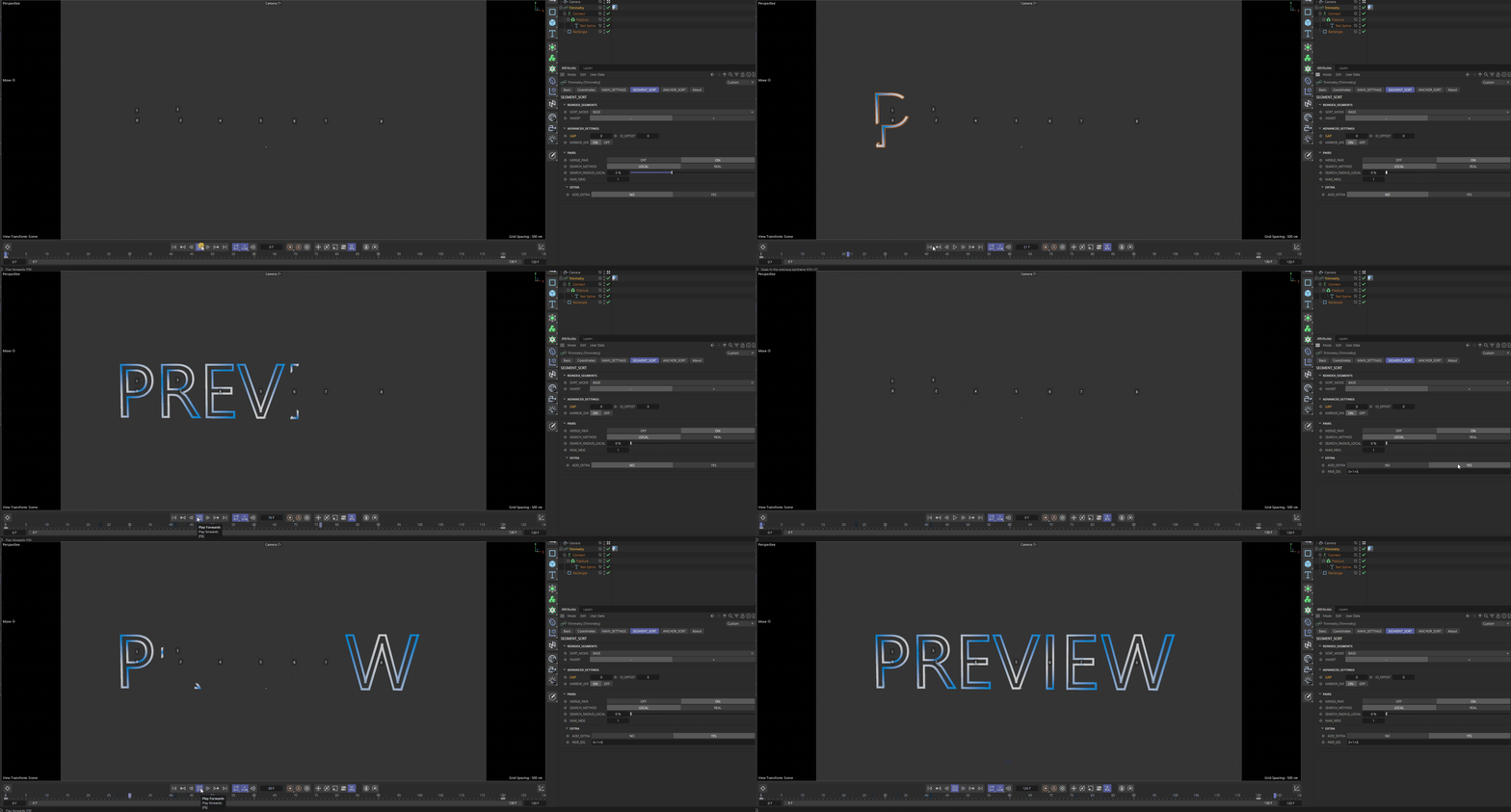
Segment Sort#
Segment Sort determines the order in which segments or segment groups (pairs) are processed. Sorting does not change the shape of the original Path; it changes the animation sequence.
REINDEX SEGMENTS#
SORT MODE#
- BASE
The original segment-index order.
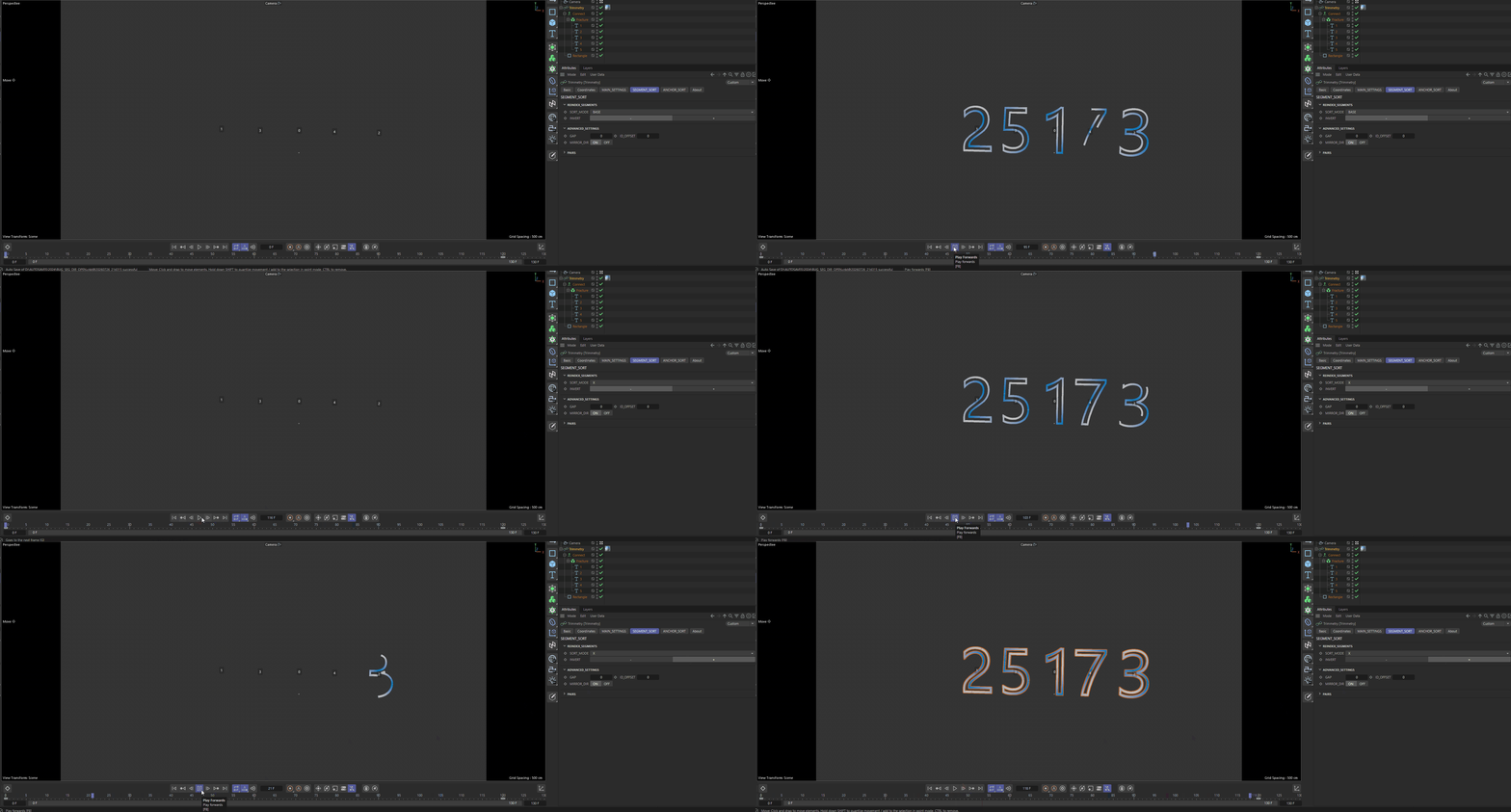
- REVERS
Reverse index order.
- X / Y / Z
Sorts by each segment center’s coordinate along the selected world axis.
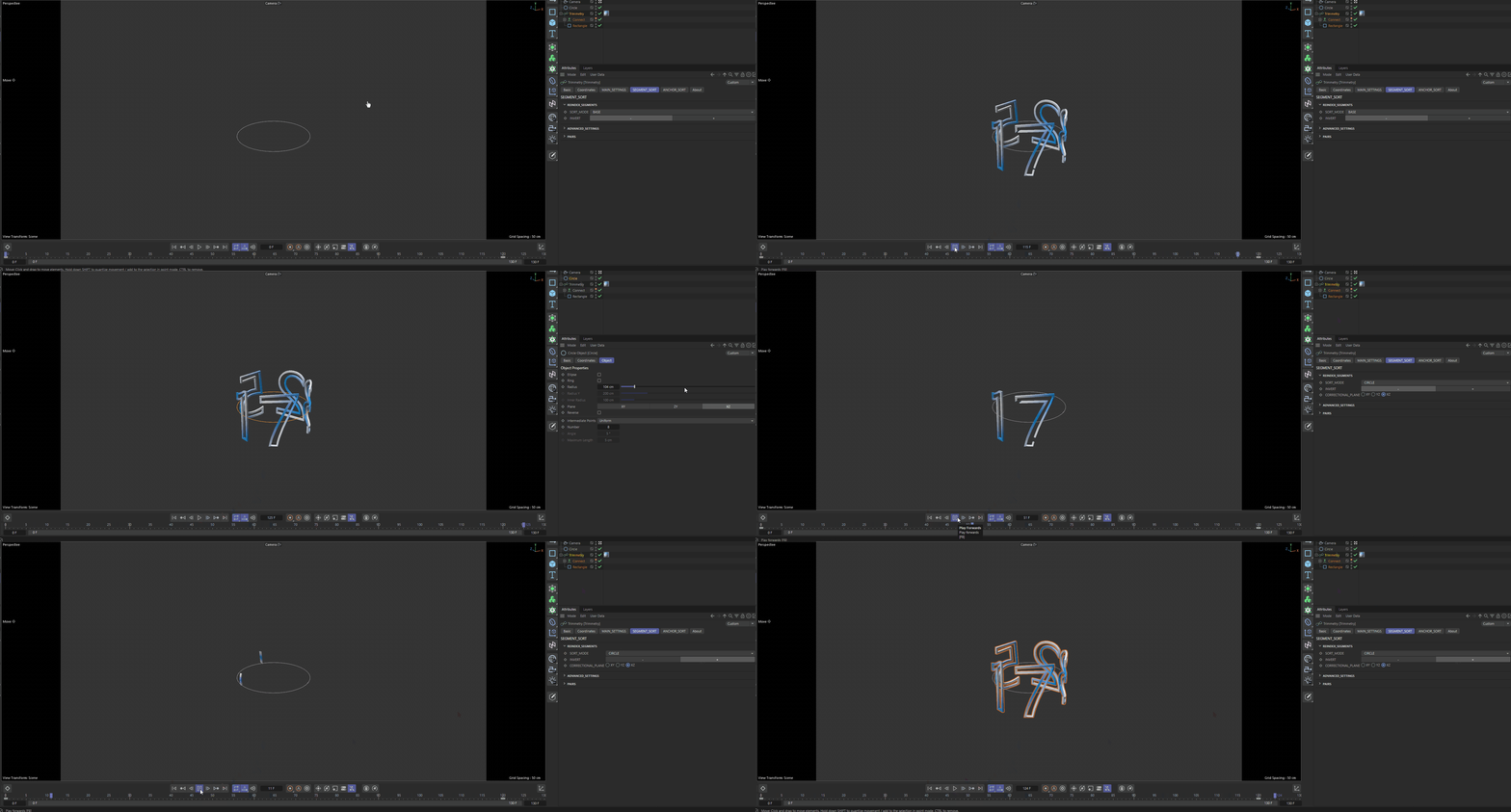
- CIRCLE
Sorts by the polar angle of the center.
CORRECTIONAL PLANEselects the projection: XY, YZ, or XZ.
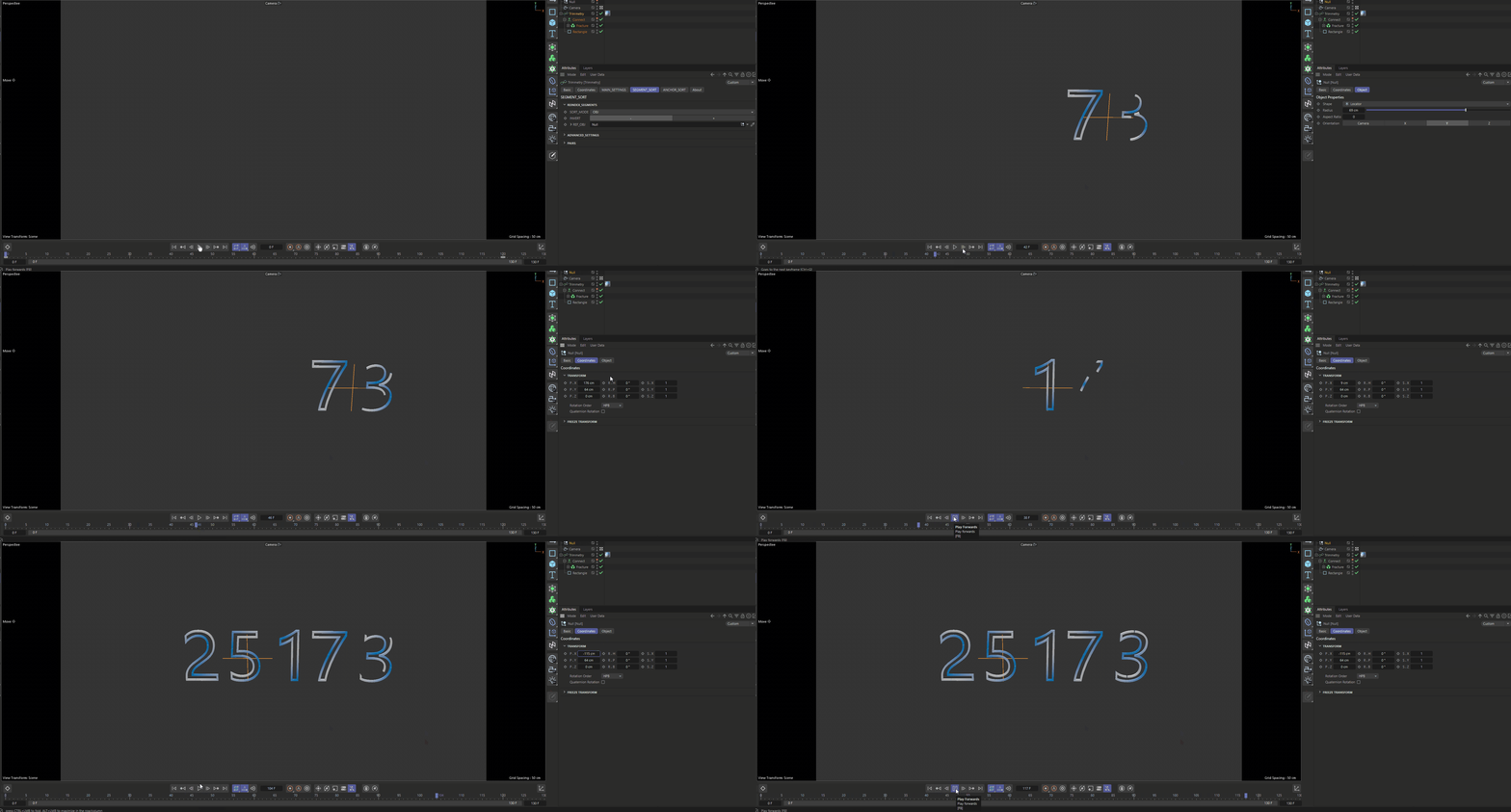
- OBJ
Sorts by distance from the segment center to
REF OBJ.
- MIRROR
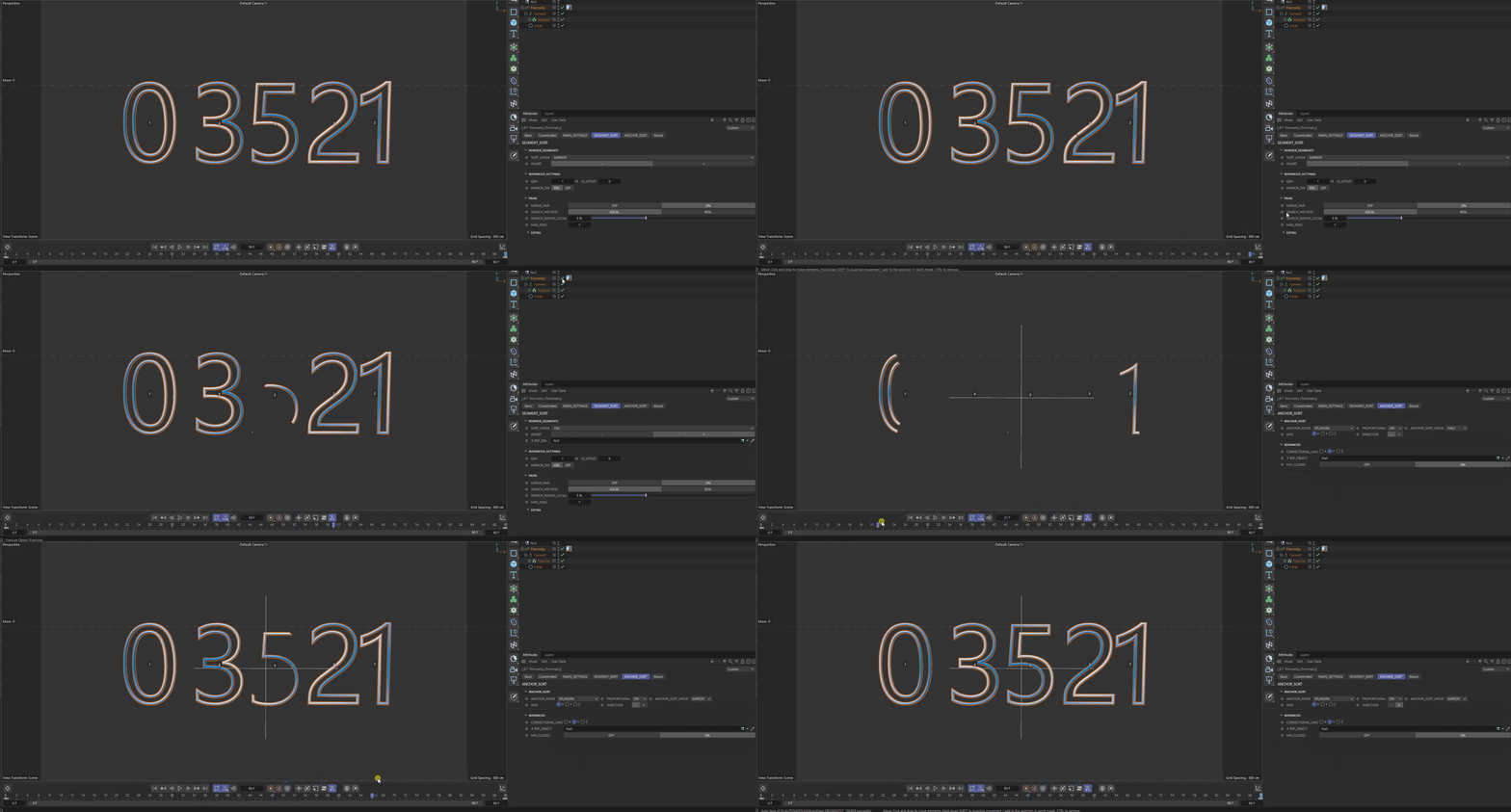
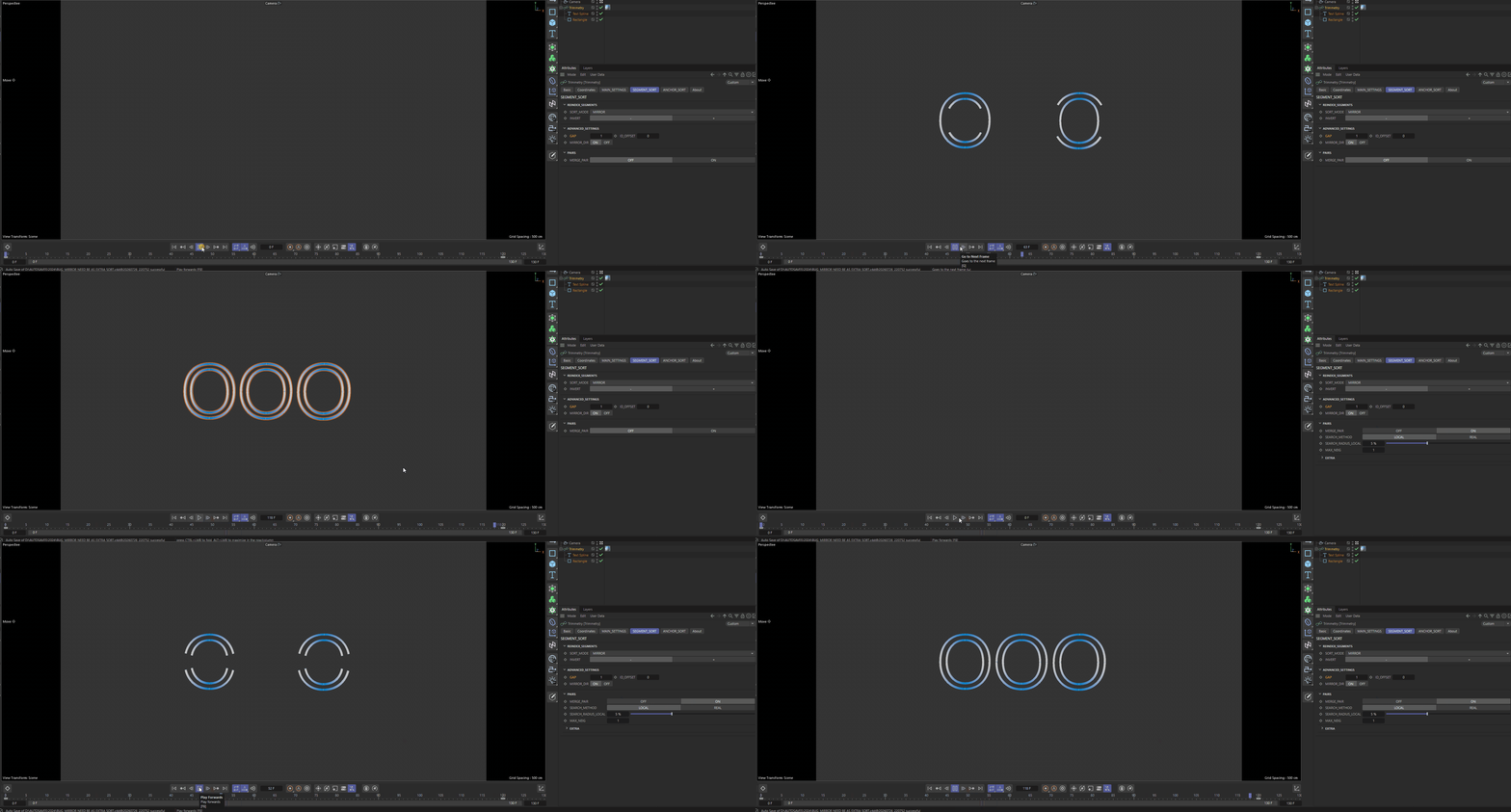
Takes items in pairs from the beginning and end of the ORIGINAL list, creating a mirrored sequence. If the original segment sequence has custom indexing, this mode may behave incorrectly. The example below shows MIRROR sorting with correct original indexing.
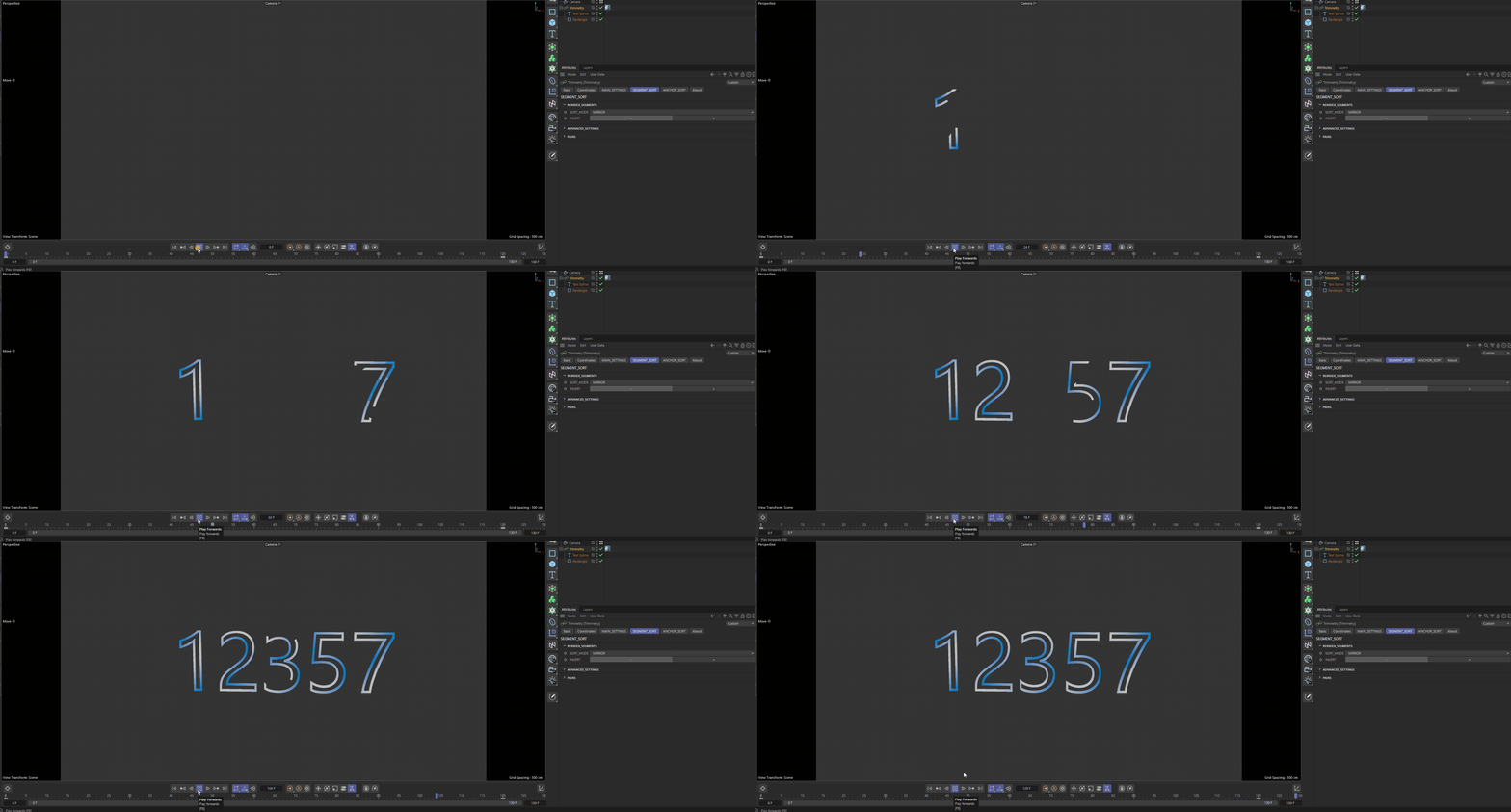
Example of reproducing MIRROR behavior by using REF OBJ mode
- INVERT
Reverses the final group list after the primary sort.
- REF OBJ
Shown for
OBJand used as the distance reference point.- CORRECTIONAL PLANE
Shown for
CIRCLEand defines the plane used for angle calculation.
ADVANCED SETTINGS#
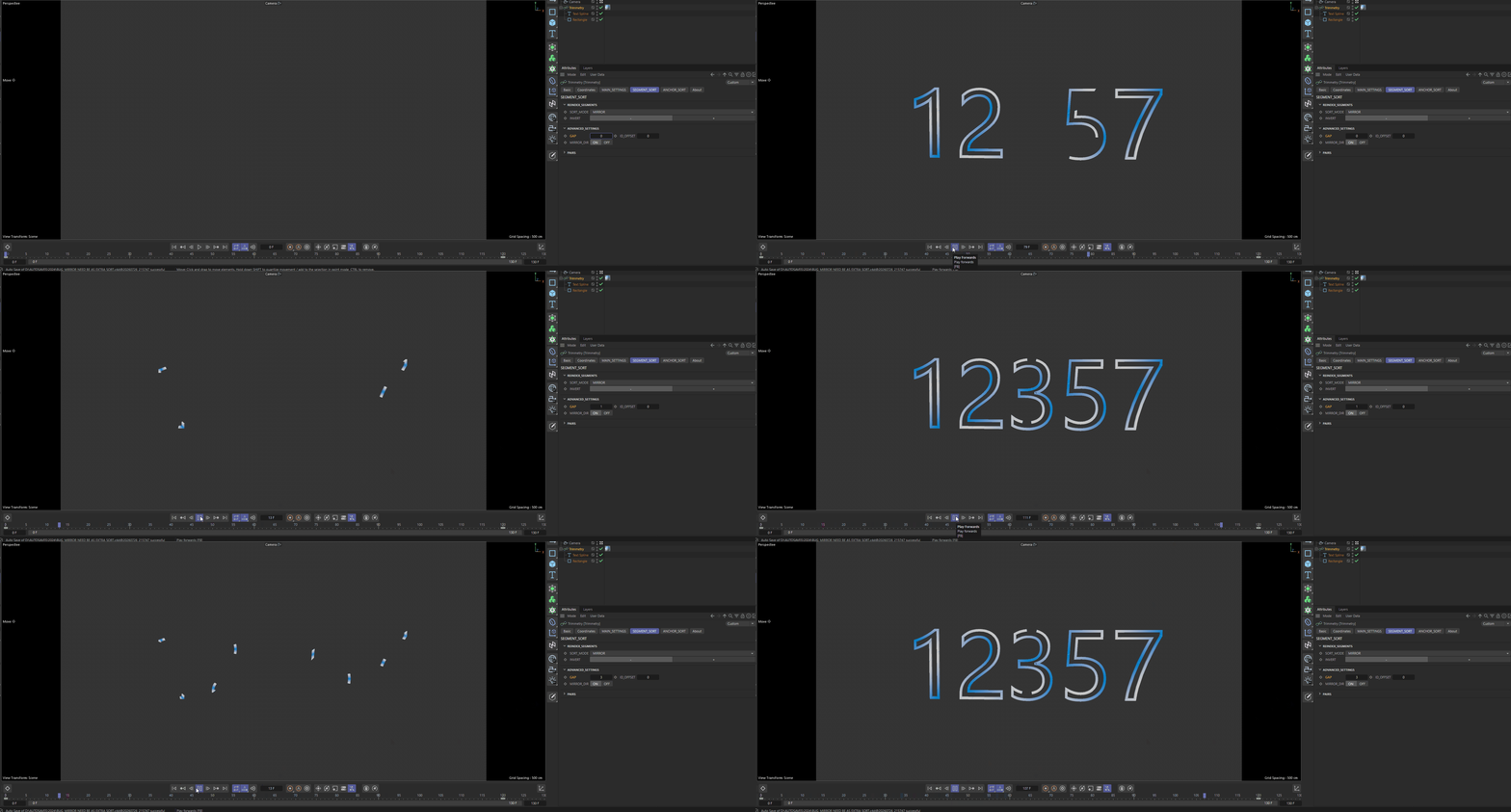
- GAP
Combines every
GAP + 1adjacent groups into one time group. For example,GAP = 1combines groups in pairs.
- ID OFFSET
Cyclically shifts the sorted list. Values can be positive or negative.
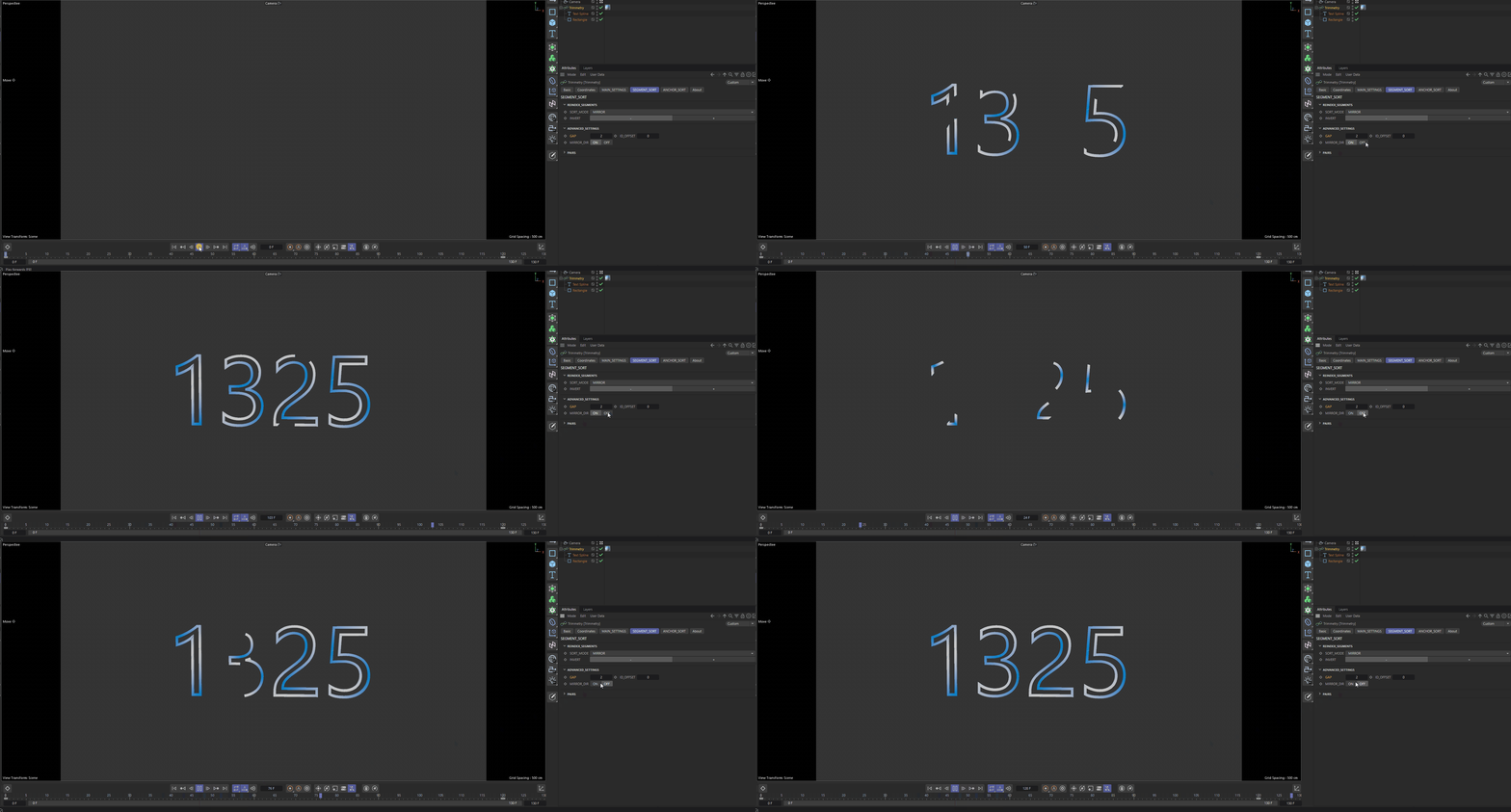
- MIRROR DIR
Swaps the left and right parts of each pair in
MIRRORmode. This is mainly useful when the number of groups is even and the processing order of the final groups needs to change.
PAIRS#
- MERGE PAIR
Enables merging nearby or manually listed segments into shared groups before sorting.
SEARCH METHOD#
- LOCAL
Compares distances between centers on a scale normalized to the maximum distance between segments.
- REAL
Uses actual scene distance.
- SEARCH RADIUS LOCAL / REAL
The automatic-search threshold for the selected method.
- MAX NEIG
The maximum number of nearest neighbors added for each segment.
ADD EXTRA and PAIR IDS#
Lets you add groups manually. Syntax:
0+5, 1+2, 6+7+8
Numbers are zero-based segment indices. Commas separate groups, and + joins indices within a group. Overlapping groups merge automatically: 0+1, 1+2 becomes a single 0+1+2 group.